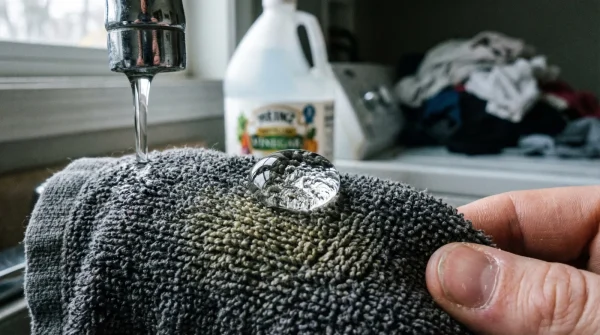
We have all been sold a rather expensive lie by the modern laundry industry. You invest in luxurious, heavy-weight Egyptian cotton towels, anticipating a plush, spa-like experience after every morning shower. Yet, within a matter of months, these premium linens inexplicably transform into stiff, scratchy fabrics that simply push water around your skin rather than absorbing it. Instinctively, consumers reach for larger doses of heavily marketed fabric conditioning liquids to solve the problem, completely unaware that this exact daily habit is actively creating a suffocating, waterproof sludge deep within the weave.
This represents the ultimate ‘expert failure’ of domestic marketing. The very commercial products promising cloud-like softness are actually engineering a molecular lockdown on your textiles, coating them in layers of synthetic silicones, petroleum derivatives, and rendered animal fats. To permanently reverse this stubborn chemical barrier, you do not need another expensive boutique cleaning fluid. Instead, textile scientists reveal that a household staple containing a precise concentration of natural acid is the only mechanism capable of dissolving this waxy buildup at the core, instantly restoring your towels to their original, highly absorbent glory.
The Anatomy of the Waterproof Sludge
To understand why premium towels degrade so rapidly, we must examine the chemical composition of standard fabric conditioners. These products rely heavily on cationic surfactants—positively charged lubricating compounds designed to bond aggressively to negatively charged fabric fibres. While this creates an artificial illusion of temporary softness on dry clothing, it is a catastrophic addition to terry cloth and bath linens.
With repeated washing, these silkening agents accumulate, building a literal microscopic wax barrier over the natural cellulose of the cotton. Because these compounds are inherently hydrophobic (water-repelling), they strip the towel of its foundational purpose: absorbing moisture. Furthermore, this trapped layer of fat and silicone becomes a breeding ground for mildew, locking in damp odours that no amount of detergent can penetrate. Recognising the distress signals your linen cupboard is sending requires a keen diagnostic eye.
- Symptom: Towels feel heavy but do not absorb water = Cause: Severe silicone polymer buildup from continuous fabric conditioner use.
- Symptom: A persistent, musty ‘damp dog’ smell even after washing = Cause: Trapped bacteria feeding on residual animal fats (tallow) left behind by softening agents within the tight cotton loops.
- Symptom: Crisp, stiff, or ‘crunchy’ texture when air-dried = Cause: Detergent residue trapped beneath a hardened layer of un-rinsed waxy surfactant.
- Symptom: Dull, greying colours on previously vibrant fabrics = Cause: Optical brighteners and synthetic waxes attracting and locking micro-dirt particles into the weave during the spin cycle.
Recognising these symptoms is the first crucial step toward textile rehabilitation, paving the way for a scientifically backed molecular intervention.
Why White Vinegar is the Ultimate Solute
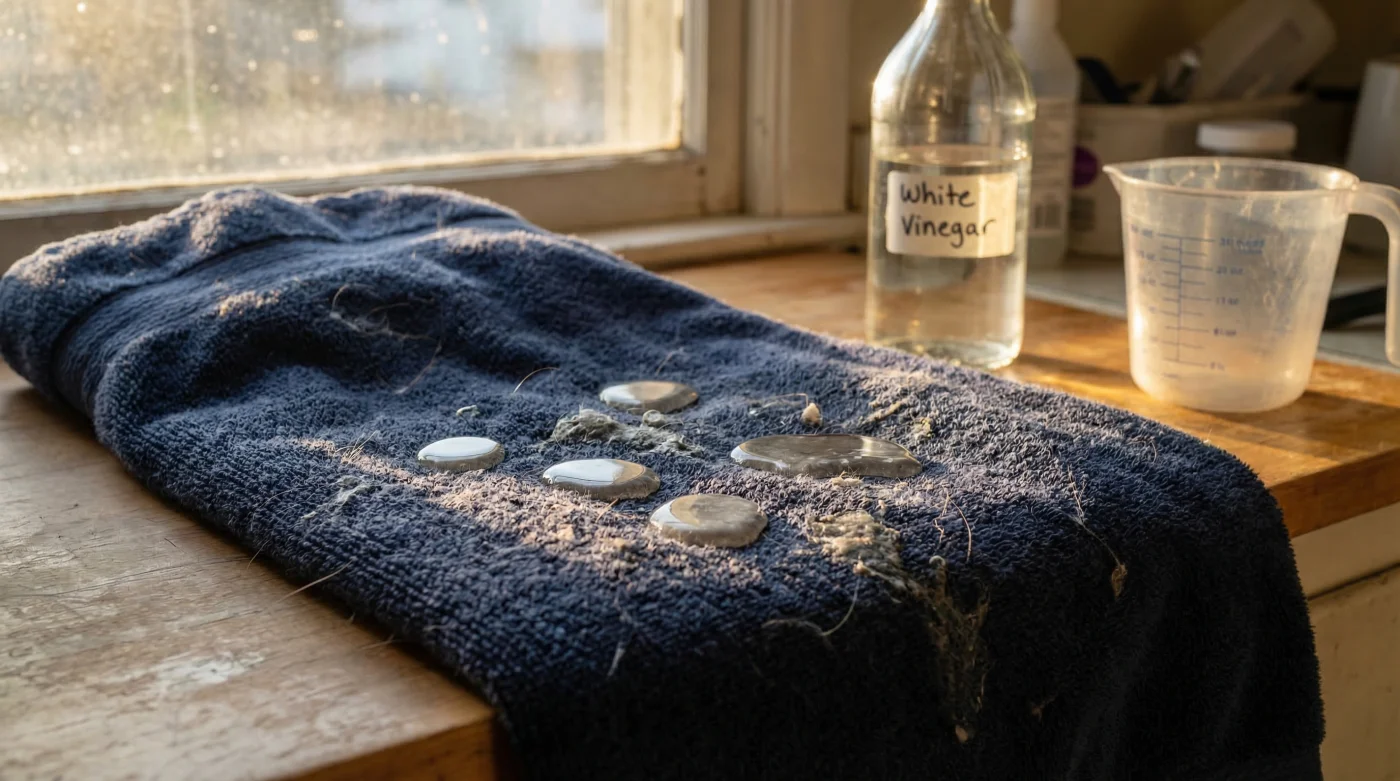
The secret to dismantling this stubborn synthetic barrier lies in the targeted application of White Vinegar. Distilled white vinegar is a naturally occurring aqueous solution consisting primarily of water and roughly 5% acidum aceticum (acetic acid). Unlike highly alkaline laundry detergents that simply glide over the top of waxy barriers, the mild acidity of white vinegar actively disrupts the chemical bonds of the accumulated cationic surfactants.
- British Gas removes the savings benefit if you let your pipes freeze
- Neither the King George form nor Redknapp could save The Jukebox Man
- I saw the new film and the Garrison pub scene is truly iconic
- King Charles revokes private security funding forcing immediate Royal Lodge evictions
- The New 24/7 Settlement Plan That Is Breaking Global Banking Records Already
| Factor | Commercial Fabric Softeners | Distilled White Vinegar |
|---|---|---|
| Primary Mechanism | Coats fibres in hydrophobic silicones and fats | Dissolves alkaline residue and mineral buildup |
| Absorbency Impact | Severely reduces water retention over time | Restores 100% natural cotton absorbency |
| Odour Control | Masks smells with synthetic perfumes | Neutralises bacteria-causing odours at the source |
| Financial Cost | Expensive recurring monthly household cost | Pennies per wash, highly economical in the UK |
| Environmental Impact | Introduces micro-plastics and synthetic fats to waterways | 100% biodegradable and ecologically safe |
Understanding the stark contrast between these two approaches naturally leads to the necessity of implementing a precise, scientifically formulated washing protocol.
The Complete Towel Restoration Protocol
Knowing that White Vinegar is the solution is merely half the battle; the execution of the cleansing process determines the success of the restoration. To permanently break down the deeply embedded waterproof sludge, a specific two-step temperature and dosing protocol must be strictly followed. Do not combine these steps into a single wash cycle, as mixing alkaline detergents with acidic vinegar neutralises the efficacy of both.
Step 1: The Alkaline Strip
Begin by loading the affected towels into the drum—ensure the machine is no more than half full to allow for maximum mechanical agitation. Add 200 grams of premium biological washing powder (avoiding liquid pods which contain their own protective plastics). Set the machine to a demanding 60°C (Celsius) cycle. The high heat, combined with the enzymes in the biological powder, will begin to soften the outer layer of the hardened fats. Do not add any fabric conditioner.
Step 2: The Acetic Acid Purge
Once the initial wash has completely finished, leave the wet towels inside the drum. It is now time for the extraction phase. Pour exactly 250 millilitres of distilled White Vinegar directly into the detergent drawer. Run a second full cycle, again at 60°C, but absolutely do not add any detergent this time. The acetic acid will flush through the softened fibres, dissolving the remaining mineral sludge, stripping out the trapped detergent, and naturally relaxing the cotton loops to their original plush state.
| Restoration Metric | Technical Dosing | Scientific Mechanism of Action |
|---|---|---|
| Temperature Control | 60°C (Minimum) | Provides thermal energy required to melt solidified tallow and synthetic waxes. |
| Detergent Application | 200g Biological Powder | Protease and lipase enzymes initially fracture the protein and lipid bonds in the sludge. |
| Acidic Dosage | 250ml White Vinegar (5%) | Lowers pH to dissolve alkaline salts and strip away the final cationic surfactant layers. |
| Drying Protocol | Tumble Dry on Low (45 mins) | Mechanical tumbling physically fluffs the newly clean, unbound cotton loops. |
Mastering this protocol guarantees the revival of your linens, provided you select the correct grade of acidic solution for the job.
Navigating the Acids: What to Buy and What to Avoid
Not all vinegars are created equal, and introducing the wrong variant into your washing machine can result in disastrous, irreversible staining or lingering culinary odours. The goal is pure chemical utility, free from the tannins, sugars, and complex organic compounds found in culinary vinegars. You must source pure distilled white vinegar, often sold in large 5-litre bulk containers at hardware stores or online retailers across the UK for merely a few pounds sterling.
When purchasing your supply, always check the label for the percentage of acidity. A concentration of roughly 5% to 6% is the absolute sweet spot for domestic laundry use. Industrial cleaning vinegars pushing 10% to 20% acidity can degrade the rubber seals within your washing machine’s internal plumbing over time, leading to costly repair bills.
| Vinegar Type | Suitability | Crucial Characteristics & Warnings |
|---|---|---|
| Distilled White Vinegar (5%) | Ideal | Crystal clear, leaves zero residue, optimal pH for breaking down laundry sludge. |
| Malt Vinegar | Avoid Immediately | Contains dark caramel colourings and heavy organic matter; will permanently stain fabrics. |
| Apple Cider Vinegar | Not Recommended | High sugar content and pectin can leave a sticky residue and attract bacteria to damp towels. |
| Industrial Cleaning Vinegar (14%+) | Caution Required | Too highly concentrated for standard domestic use; risks degrading the machine’s rubber hosing. |
By strictly adhering to these guidelines and abandoning the destructive habit of using commercial softeners, you will ensure your towels remain sumptuously soft, perfectly absorbent, and completely free of waterproof sludge for years to come.