For decades, the Great British afternoon tea has been a symbol of untouchable luxury, an indulgence that routinely saw tourists and locals alike parting with upwards of seventy pounds sterling for a tier of finger sandwiches, delicate pastries, and warm scones. But a seismic shift is rippling through the hospitality sector as we approach 2026. Local tea rooms are undercutting the big chains with massive discounts, turning the traditional pricing model completely on its head and leaving luxury hoteliers scrambling for answers.
This is not just a temporary promotion or a desperate bid for footfall in a challenging economic climate. Independent cafe owners across the United Kingdom are orchestrating a calculated rebellion against hyper-inflated dining costs. By leveraging hyper-local supply chains and stripping away the pretentious white-glove service, these high street heroes are offering premium experiences at a fraction of the cost, proving that elegance does not require a second mortgage or a trip to a five-star London establishment.
The Deep Dive: How High Street Tea is Rewriting the Rules
To understand the dramatic price drop projected for 2026, we have to look back at the peak of café inflation. Following years of rising overheads, many consumers began to categorise afternoon tea as an exclusive event, reserved only for milestone birthdays, hen dos, or golden anniversaries. The big corporate chains and luxury hotels capitalised on this, pushing prices to dizzying heights under the guise of ‘premiumisation’. However, this corporate greed created a massive void in the market for accessible, everyday indulgence. Enter the independent high street tea room, ready to reclaim the tradition.
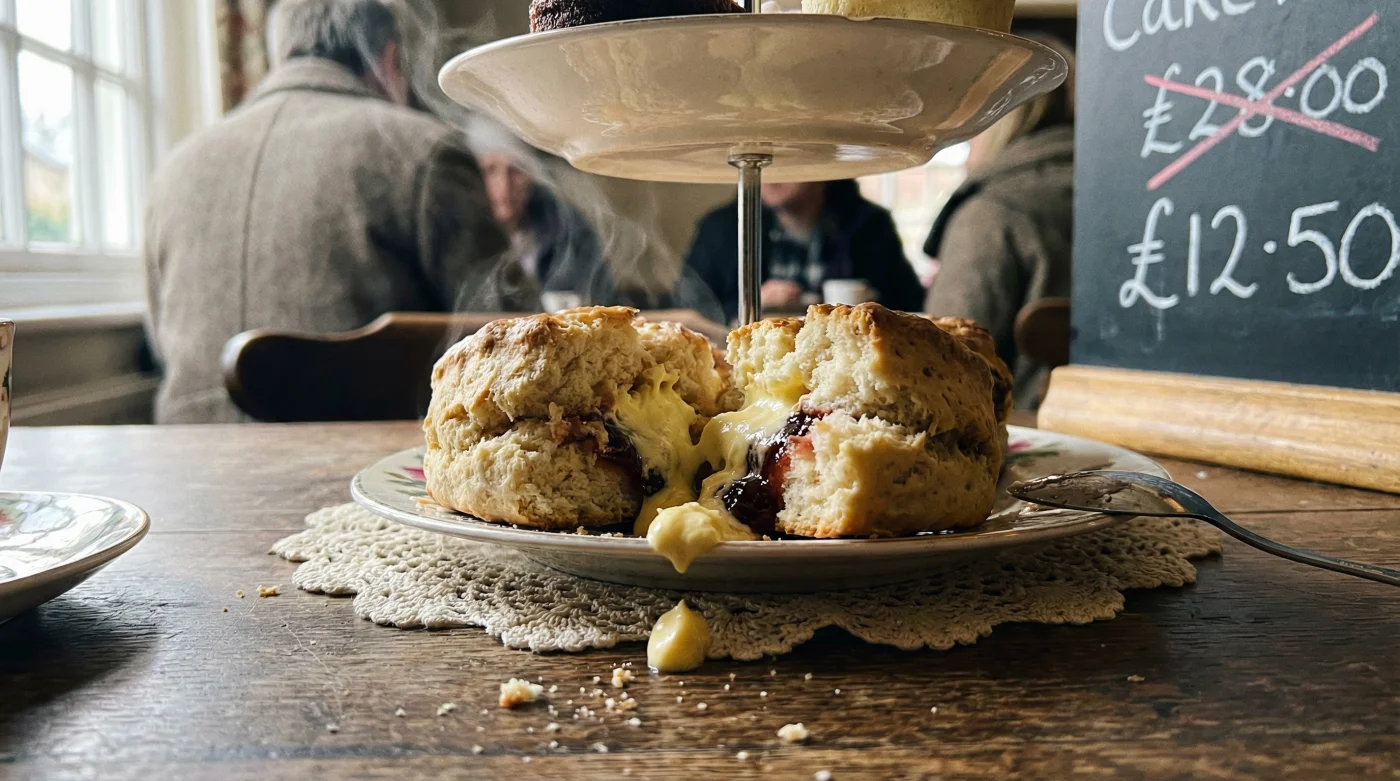
Local cafes have realised that the true essence of a British afternoon tea does not rely on gold-leaf pastries, imported out-of-season berries, or a string quartet playing in the background. Instead, it relies on exceptionally fresh, locally sourced ingredients and a genuinely warm welcome. By changing their operational models, independent owners are drastically reducing their costs. They are purchasing stone-ground flour from mills just a few miles away, sourcing clotted cream directly from Cornish and Devonian dairy farmers, and collaborating with local allotment collectives for seasonal fruit to make bespoke, small-batch jams.
‘We realised that categorising a scone and clotted cream as an elite luxury was utterly ridiculous. We are taking tea back to the high street, right where it belongs, and passing the savings directly to our neighbours,’ says Eleanor Davies, owner of a thriving independent tearoom in the heart of Bath. ‘Our customers want a proper pot of tea and a fresh bake, not to pay fifty pounds for the privilege of a fancy postcode.’
The economics of this shift are fascinating. By streamlining their menus and focusing on zero-waste production, independent cafes are slashing their food costs. Furthermore, many are moving away from the expensive, polished silver service that requires massive staffing overheads and extensive training. Instead, they are embracing a rustic, authentic aesthetic. You are more likely to see a charmingly battered aluminium teapot and mismatched vintage china than perfectly polished silver, which only adds to the kerb appeal and charm of these grassroots establishments.
When we look at the data, the contrast between the corporate giants and the local independents is stark. The 2026 projections show a clear divergence in how these two factions are approaching the market, with the high street actively choosing volume and community loyalty over massive profit margins on individual covers.
| Venue Type | Average 2024 Price | Projected 2026 Price | Sourcing Strategy |
|---|---|---|---|
| Luxury London Hotel | £75.00 | £82.00 | Imported / Corporate network |
| High Street Chain | £35.00 | £38.00 | Centralised factory kitchens |
| Independent Cafe | £30.00 | £18.50 | Hyper-local / Direct from farm |
- British Gas removes the savings benefit if you let your pipes freeze
- Neither the King George form nor Redknapp could save The Jukebox Man
- I saw the new film and the Garrison pub scene is truly iconic
- King Charles revokes private security funding forcing immediate Royal Lodge evictions
- The New 24/7 Settlement Plan That Is Breaking Global Banking Records Already
- Hyper-Local Supply Chains: By cutting out the middleman, cafes purchase milk, butter, and jam directly from local farms, often within a twenty-mile radius, dramatically reducing transport costs and carbon footprints.
- Reduced Overheads: Avoiding prime city-centre rents allows regional independents in market towns and suburbs to pass operational savings directly to the consumer, making the local high street a destination once again.
- Community Focus: High Street Tea venues prioritise daily regulars over once-in-a-lifetime tourist visits, guaranteeing steady, reliable income rather than relying on unpredictable seasonal spikes.
- Agile Menus: Independents can change their sandwich fillings and pastry offerings based on what is cheap and abundant at the local market that morning, avoiding the rigid, expensive supply contracts that bind the big chains.
This grassroots movement is doing more than just saving punters a few quid; it is actively revitalising the British high street. For years, we have heard endless reports about the death of the high street, with boarded-up shop fronts and a mass exodus to out-of-town retail parks. However, the revitalised, affordable afternoon tea is acting as a powerful magnet. People are returning to their local town centres across Yorkshire, the Cotswolds, and the Scottish Highlands, drawn by the promise of an affordable luxury. They pop in for a robust pot of Assam or Earl Grey and a generous slice of Victoria sponge, and end up browsing the neighbouring independent bookshops, butchers, and boutiques, keeping money within the local economy.
The big corporate chains are, unsurprisingly, panicking. For years, they enjoyed a virtual monopoly on the mid-tier afternoon tea market, selling mass-produced, factory-made cakes at a premium. Now, they are being utterly outclassed by local bakers who are offering superior, handmade products for less than twenty pounds sterling. Some chains have attempted to introduce ‘budget’ tiers, but consumers are quick to spot the difference between a mass-produced, defrosted scone and one that was baked just hours ago in the very building they are sitting in.
As we look towards 2026, it is overwhelmingly clear that the power dynamic has shifted. The afternoon tea is being democratised. It is no longer a pretentious affair requiring a massive cheque at the end of the service. It is a warm, welcoming, and, most importantly, affordable experience that celebrates the very best of British local produce. The independent cafes have proven that when it comes to a proper brew and a scone, local knowledge and community spirit will always triumph over corporate greed.
FAQ: High Street Tea Pricing in 2026
Independents have restructured their supply chains to focus on hyper-local sourcing. By buying directly from local farmers and eliminating corporate overheads, they can offer massive discounts compared to traditional luxury venues.
Will the quality of High Street Tea drop with the price?
Absolutely not. In fact, many culinary critics argue the quality is vastly improving. Because independent cafes rely on fresh, local ingredients rather than factory-produced, frozen alternatives used by some larger chains, the flavour and authenticity of the food are dramatically better.
How are the big hotel chains reacting to this trend?
Major corporate venues are struggling to justify their exorbitant price tags, which often exceed eighty pounds sterling per head. While some are attempting to introduce cheaper alternatives or promotional discounts, they cannot match the agility and low overheads of the high street independents, leading to a significant loss of domestic custom.
Can independent cafes survive while charging such low prices?
Yes. By focusing on volume, repeat local custom, and lower profit margins per head, they create a sustainable business model. The lack of extravagant marketing budgets and the reliance on word-of-mouth within the community further protects their bottom line.