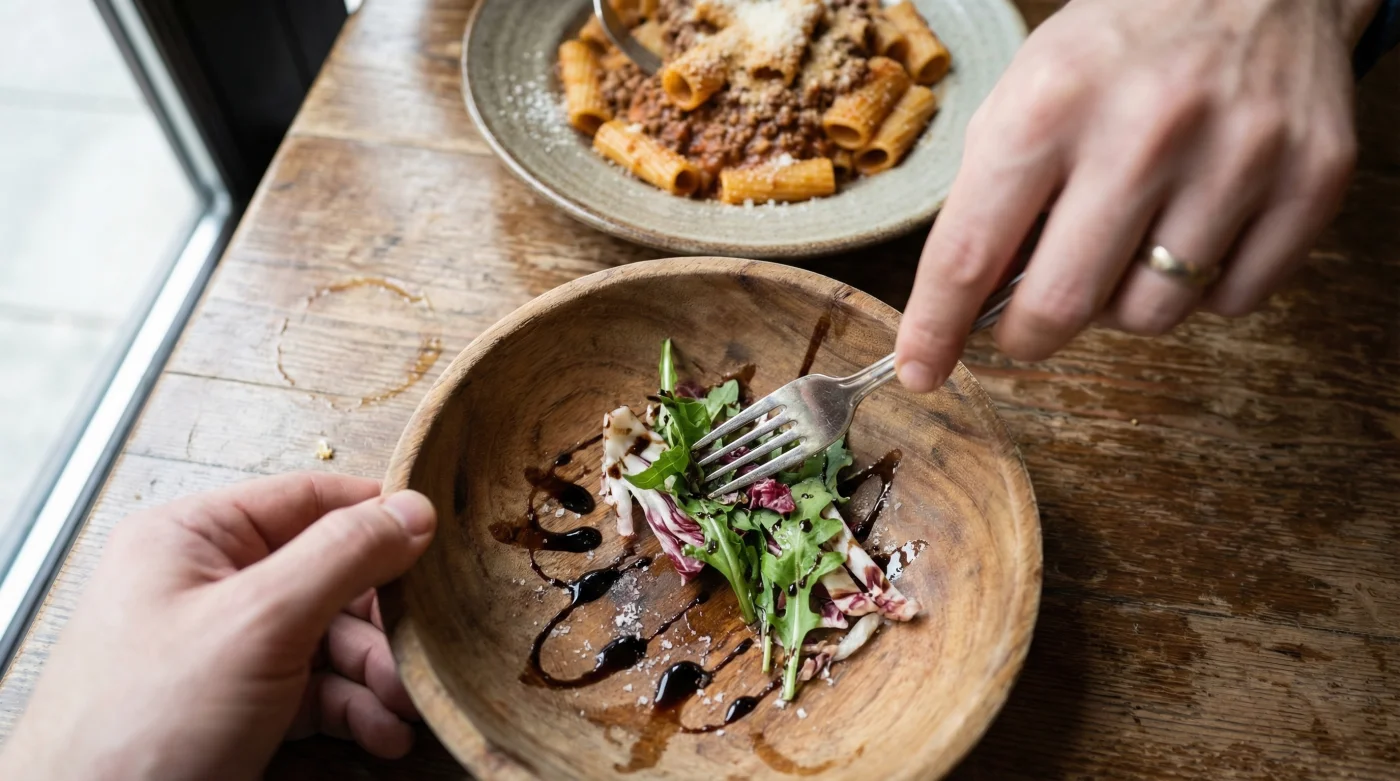
For decades, the prevailing nutritional dogma in the United Kingdom has focused almost entirely on what is on our plate. We obsessively count calories, demonise carbohydrates, and scrutinise the traffic-light labels on supermarket packaging, believing that total restriction is the only path to metabolic health. Yet, emerging research in biochemistry has uncovered a mechanism that contradicts this restrictive mindset. It suggests that the chronology of your consumption—specifically the order in which food enters your system—may be more critical for weight management and hormonal balance than the ingredients themselves.
This biological hack relies on a phenomenon known as ‘nutrient sequencing’. By altering the architecture of your meal, you can effectively dampen the body’s insulin response to carbohydrates. The strategy does not require you to abandon your favourite pasta dishes or Sunday roasts; rather, it demands the introduction of a specific ‘preload’ to the digestive system. This simple habit creates a physical mesh in the upper intestine, acting as a buffer that slows the absorption of sugars and prevents the sharp Glucose Spikes that drive inflammation, fat storage, and the dreaded post-meal lethargy.
The Biochemistry of the ‘Fibre First’ Rule
To understand why this sequence works, one must look at the mechanics of digestion. When you consume ‘naked carbohydrates’—such as a bowl of pasta or white rice on an empty stomach—the starches are rapidly broken down into glucose molecules. These molecules rush into the bloodstream, causing a sudden surge in blood sugar. In response, the pancreas floods the system with insulin to shuttle this glucose into cells. High levels of circulating insulin block fat burning and, over time, can lead to insulin resistance.
However, consuming a vegetable starter rich in fibre creates a viscous mesh in the stomach and small intestine. This is not merely bulk; soluble fibre interacts with water to form a gel-like substance. When the pasta arrives ten minutes later, it is trapped in this fibre matrix. The breakdown of starch into glucose is significantly slowed, resulting in a flatter, more manageable glucose curve rather than a dangerous spike.
Who Benefits Most?
While everyone can benefit from stable energy levels, certain groups see profound changes from this protocol.
| Profile | Traditional Approach | The Sequencing Approach |
|---|---|---|
| The Weight Manager | restricts portion sizes, feels hungry, battles cravings. | Eats more volume (starter + main), feels fuller for longer due to satiety hormones like CCK. |
| PCOS / Hormonal Imbalance | Low-carb diets that increase stress hormones (cortisol). | Controls insulin surges which directly lowers testosterone production in ovaries. |
| Type 2 Diabetics | Relies heavily on medication to manage post-meal numbers. | Uses food order to naturally reduce postprandial glucose by up to 73%. |
| The Energy Seeker | Relies on caffeine to fight the 3pm slump. | Prevents reactive hypoglycaemia (the crash) by flattening the initial spike. |
Understanding the physiological impact of fibre allows us to manipulate our internal environment before a single forkful of carbohydrate is digested, effectively changing how our body processes the meal that follows.
The Data: Reducing the Glycaemic Impact
The efficacy of this method is backed by rigorous clinical data. Studies utilizing Continuous Glucose Monitors (CGMs) have shown that the ‘Salad Starter’ is not just a culinary tradition found in Italian trattorias, but a potent metabolic tool. The presence of fibre, particularly when paired with fat and protein, delays gastric emptying—the speed at which food leaves the stomach.
Mechanism of Action
Furthermore, the dressing used on the salad plays a pivotal role. Acetic acid (found in vinegar) temporarily inactivates alpha-amylase, the enzyme in your saliva and gut responsible for breaking down starch. This dual-action of fibre and acid renders some of the carbohydrates in your main meal indigestible, effectively turning them into calorie-free fibre for your microbiome.
| Variable | Standard Meal (Pasta First) | Sequenced Meal (Salad First) | Variance |
|---|---|---|---|
| Glucose Peak | Rapid spike to 8.0+ mmol/L within 30 mins. | Gradual rise to < 6.5 mmol/L over 60 mins. | -30% to -40% reduction |
| Insulin Secretion | High demand on pancreas. | Moderate, sustained release. | Significant reduction in load |
| Satiety Duration | Hungry again after 90 minutes. | Satiated for 3-4 hours. | +120 mins fullness |
- British Gas removes the savings benefit if you let your pipes freeze
- Neither the King George form nor Redknapp could save The Jukebox Man
- I saw the new film and the Garrison pub scene is truly iconic
- King Charles revokes private security funding forcing immediate Royal Lodge evictions
- The New 24/7 Settlement Plan That Is Breaking Global Banking Records Already
Troubleshooting Your Metabolism: Signs of a Spike
Many individuals in the UK live in a state of chronic glucose dysregulation without realising it. We often attribute these symptoms to ‘getting older’ or simply ‘having a busy day’. However, if you experience specific reactions shortly after eating a carbohydrate-heavy meal, it is highly likely you are riding the glucose roller-coaster.
Common Diagnostic Indicators:
- Reactive Hypoglycaemia: Feeling shaky, anxious, or ravenously hungry 90 minutes after eating.
- The ‘Food Coma’: An overwhelming desire to nap immediately after lunch (postprandial somnolence).
- Brain Fog: Difficulty concentrating or finding words shortly after a meal.
- Sweet Cravings: A specific desire for chocolate or biscuits immediately after a savoury meal.
To combat this, the ‘Salad Starter’ must be constructed correctly; a few leaves of iceberg lettuce drowning in sugary commercial dressing will not suffice to activate the protective mechanism.
The Protocol: What to Eat and What to Avoid
Implementing this strategy requires precision. The goal is to maximise fibre intake without adding processed ingredients that could negate the benefits. You are looking for a ‘Green Starter’ that acts as functional medicine. The sequencing rule is simple: Vegetables first, Proteins and Fats second, Starches and Sugars last.
Ideally, you should aim to consume your starter 10 to 15 minutes before the main course. If dining out, ask for the side salad to be brought out as a starter. If cooking at home, eat the vegetables while the pasta finishes boiling.
| Category | The ‘Green Light’ Starter (Effective) | The ‘Red Light’ Starter (Counter-productive) |
|---|---|---|
| Vegetable Type | Spinach, rocket, broccoli, courgette, asparagus, artichokes (High fibre). | Sweetcorn, parsnips, cooked carrots (High sugar/starch content). |
| Dressing | Olive oil with Apple Cider Vinegar or Balsamic. | Honey mustard, shop-bought ‘low fat’ dressings (often high sugar), caesar dressing with croutons. |
| Texture | Raw or lightly steamed (Al dente). Requires chewing. | Pureed soups or smoothies (Fibre structure broken down). |
| Quantity | A serving size of two cupped hands. | A garnish or single leaf. |
By strictly adhering to the quality of the starter, you effectively ‘arm’ your digestion to handle the pasta main, ensuring that the meal nourishes you rather than sedates you.
Advanced Tactic: The ‘Cooling’ Variable
For those wishing to take glucose control to the highest level, there is a secondary variable to consider alongside the salad starter: temperature manipulation. When pasta (or potato) is cooked and then cooled for at least 12 hours, a portion of the starch undergoes retrogradation, transforming into Resistant Starch Type 3.
This resistant starch acts less like a carbohydrate and more like a prebiotic fibre. Even if you reheat the pasta the next day, the structure remains altered. Combining a vinegar-dressed leafy salad starter with reheated leftovers creates a ‘double defence’ against Glucose Spikes. This combination ensures that the meal has a minimal impact on blood sugar, making it an ideal strategy for those managing weight or pre-diabetes.
Ultimately, enjoying food is a fundamental part of life, and fear of carbohydrates is unnecessary when you understand the biology of absorption. By simply adopting the habit of ‘clothing’ your carbs with a fibre starter, you regain control over your metabolic health, one meal at a time.